Love the character of a front porch bungalow or the crisp lines of a mid‑century ranch, but unsure which Kirkwood home style fits your life? You are not alone. Kirkwood offers a rich mix of eras, layouts, and renovation needs that can look similar at a showing yet live very differently day to day. This guide breaks down the four most common styles you will tour in Kirkwood, what to expect behind the walls, and how to plan inspections and upgrades with confidence. Let’s dive in.
Why Kirkwood’s homes stand out
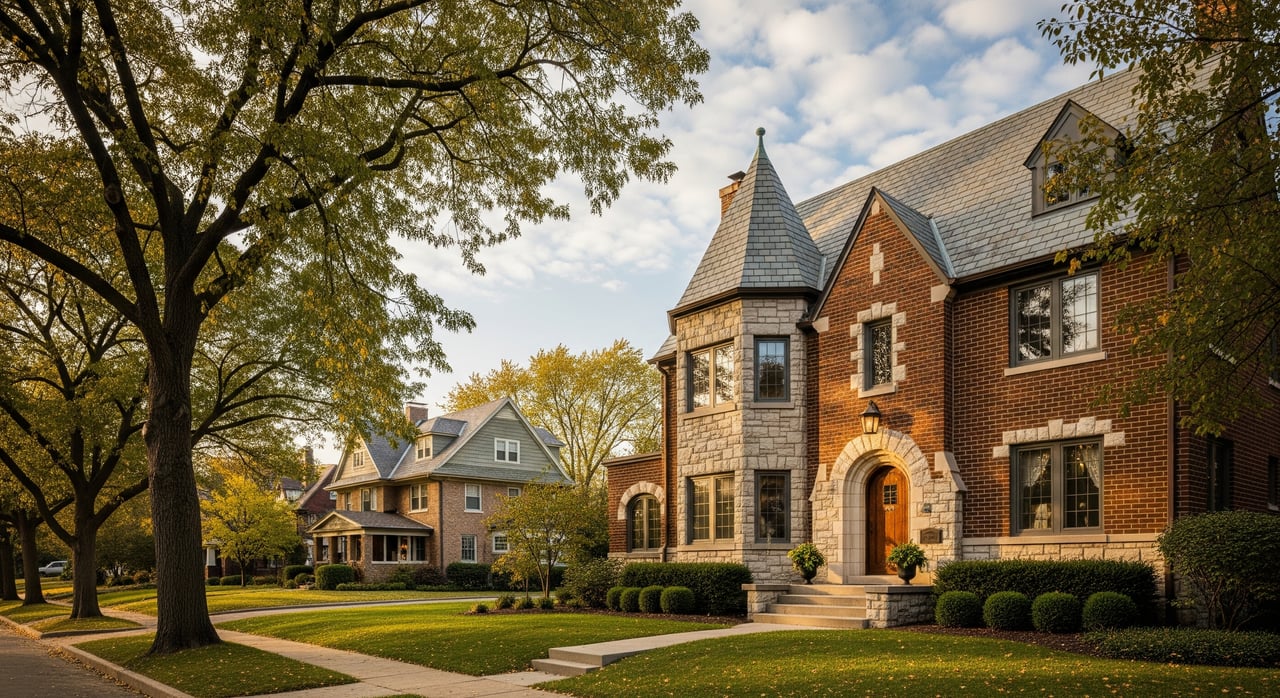
Kirkwood grew as a railroad suburb in the late 19th and early 20th century, so you will see many homes built from about 1900 to 1940 alongside mid‑century ranches and recent infill near downtown. That diversity gives you real choice in layout, scale, and systems. Portions of the city fall under local historic review, so confirm rules for exterior changes or teardowns before you plan renovations.
Walkability to downtown amenities and proximity to schools can increase competition for both historic homes and lots suited to new construction. Older homes may sit on modest pre‑war lots with limited parking, while new infill often adds larger garages but may reduce yard space or impact mature trees.
Style comparison at a glance
- Historic Craftsman: Cozy rooms, built‑ins, 8–9 ft ceilings. Expect character and potential electrical, plumbing, and insulation updates.
- Colonial Revival: Two‑story, center‑hall plans, 8–10 ft ceilings. Flexible layouts with classical trim and potential masonry and attic insulation needs.
- Mid‑century: Ranch or split‑level, simple circulation, 8 ft ceilings with occasional vaults. Good for open‑plan updates; watch for asbestos in some materials.
- New infill: Open plans, tall ceilings, modern systems. Lower immediate maintenance, but site work and drainage deserve attention.
Historic Craftsman
Layout and flow
Craftsman bungalows are usually 1 to 1½ stories with efficient footprints. Expect a living room that often opens to a dining alcove or small formal dining area, plus a beloved front porch. Bedrooms may be upstairs in 1½‑story homes or clustered on the main level in larger bungalows. Closets can be modest.
Ceilings and volume
Ceilings commonly run 8–9 feet on the main floor. Low rooflines and exposed rafter details create an intimate, human scale.
Materials and systems
Exteriors often feature wood siding or shingles with tapered porch columns. Interiors include plaster walls and hardwood floors. Older homes can still have early electrical systems, cast‑iron or galvanized plumbing, and limited insulation.
Renovation watch‑outs
Preserving built‑ins, windows, and trim takes care and budget. Surprises can include lead paint in pre‑1978 finishes, plaster repairs, porch rot, localized foundation settlement, knob‑and‑tube wiring, and aging plumbing. Opening walls for modern flow may require structural work and careful finish matching.
What to inspect
- Electrical service and any knob‑and‑tube wiring
- Roof, porch structure, and drainage around the foundation
- Lead and asbestos screening if you plan renovations
- Heating system age and distribution
Renovation complexity: Moderate to high if preserving original character. Moderate if modernizing without maintaining historic details.
Colonial Revival
Layout and flow
These homes often present symmetrical facades and center‑hall plans. You will see distinct formal rooms such as living and dining, and sometimes a separate study. Bedrooms typically sit upstairs. Kitchens were smaller historically, though many have been expanded.
Ceilings and volume
First floors commonly range from 8–9 feet in modest examples, with 9–10 feet possible in larger homes. Two‑story proportions create a more formal scale than a bungalow.
Materials and systems
Exteriors are often brick or clapboard with classical details. Interiors typically include hardwood floors, plaster or later drywall, and traditional trim and moldings.
Renovation watch‑outs
Kitchen and bath modernizations are common, but older remodels may feel tight. Enlarging kitchens can require moving walls or adding small bump‑outs. Windows and trim carry historical character, and replacements can be costly if you maintain authenticity, especially in reviewed areas.
What to inspect
- Roof, chimney, and brick mortar condition
- Attic insulation and ventilation
- Stairs and second‑floor joists for stiffness and wear
- HVAC sizing for two‑story circulation
Renovation complexity: Moderate. Classical details increase preservation cost, but center‑hall layouts are usually flexible for reconfiguration.
Mid‑century (1950s–1970s)
Layout and flow
You will find single‑story ranches and split‑levels with straightforward circulation. Many later mid‑century layouts are partially open to the kitchen. Basements are often unfinished. Garages or carports are common but may be compact.
Ceilings and volume
Plan on 8‑foot ceilings, with occasional vaulted rooms or clerestory areas. Large windows and sliders create strong indoor‑outdoor connection.
Materials and systems
Exteriors include brick, stone veneer, and wood siding with larger panes of glass. Interiors often use drywall and mid‑century finishes such as wood paneling. Some materials from the era can contain asbestos.
Renovation watch‑outs
Opening walls and enlarging kitchens is usually straightforward. Potential remediation for asbestos in flooring or insulation can add cost. Windows may be single‑pane and inefficient. Foundations are generally stable, though slabs and shallow footings can complicate plumbing or layout changes.
What to inspect
- Asbestos and lead screening for vintage finishes
- HVAC capacity and duct condition
- Window performance and water management at large openings
- Drainage, slab or foundation integrity
Renovation complexity: Low to moderate for layout and systems. Remediation can raise costs if hazardous materials are present.
New infill and contemporary builds
Layout and flow
Expect open main floors, large kitchens with islands, and family rooms that connect to dining. Primary suites typically include larger baths and walk‑in closets. Mudrooms and dedicated laundry spaces are common, as are multi‑car garages.
Ceilings and volume
Main levels often run 9–12 feet, with tall windows and occasional double‑height spaces for generous light.
Materials and systems
You will see fiber cement siding, engineered wood products, and high‑efficiency windows and insulation. Modern electrical service, efficient HVAC, and newer water‑heating systems are standard.
Renovation watch‑outs
Systems are turnkey at delivery, but site‑specific details matter. Tight lots need thoughtful stormwater management and tree protection. Projects within reviewed areas may require approvals for exterior design. Landscape and driveway planning can affect cost.
What to inspect
- Final permitted plans versus as‑built conditions
- Builder, appliance, and system warranties
- Grading, drainage, and tree‑protection measures
- Confirmation of promised energy‑efficiency features
Renovation complexity: Low for systems and finishes. Moderate for site work or later customization.
Renovation risk and planning
Renovation scope and cost typically hinge on five risk categories:
- Structural: Foundation movement, roof structure, or removing load‑bearing walls
- Mechanical: Electrical service upgrades, HVAC replacement, plumbing pipe replacement
- Environmental: Lead paint, asbestos, mold, or moisture intrusion
- Regulatory: Historic review, zoning setbacks, tree protection, and demolition permits
- Site constraints: Lot size, grading, mature trees, and drainage
Financing and insurance can also shape your plan. Purchase‑plus‑renovation loans, such as FHA 203(k) or Fannie Mae’s HomeStyle, may fit certain projects. Lenders can require clean inspections if older wiring or structural issues are present. Insurance premiums on older homes can be higher, so request quotes early to factor into your monthly costs.
Kirkwood buyer checklist
- Pull year‑built, lot size, and basic building data from the county assessor and MLS.
- Order a full home inspection and add specialists by era: electrical, plumbing, chimney, and asbestos or lead testing for pre‑1978 homes.
- Ask for records of past work, permits, and transferable warranties.
- If the property sits in or near a historic district, contact the local commission before planning exterior changes.
- Get two contractor quotes for major systems and one historic‑restoration specialist if you intend to preserve original features.
- Discuss renovation‑loan options with lenders early in your search.
- Request insurance quotes on older homes before you finalize your budget.
- For infill, verify grading and drainage plans and understand tree‑protection requirements.
Preserve or modernize
Before you write an offer, list the features that matter most to you. If original windows, built‑ins, and millwork are non‑negotiable, plan for preservation specialists and longer timelines. If an open kitchen and new systems are the priority, confirm that walls can be removed and price in electrical, HVAC, and window upgrades. Setting your design stance early helps you compare homes across eras on real costs and comfort, not just curb appeal.
Resale considerations in Kirkwood
Character homes in walkable locations and close to daily amenities tend to draw strong interest. Newer infill appeals to buyers who prefer turnkey living, taller ceilings, and open plans. Many buyers value both charm and convenience, so well‑executed updates that protect architectural elements while improving efficiency can support future resale.
Get hands‑on help
Choosing between charm and turnkey is easier with a partner who understands both design and construction. Our team pairs luxury buyer representation with in‑house staging, renovation guidance, and hands‑on construction management. We coordinate inspections, scope realistic budgets, and help you move confidently from tour to closing. Ready to zero in on the right Kirkwood home style for your life? Connect with Katie McLaughlin & Liz McDonald.
FAQs
What are the most common Kirkwood home styles?
- Craftsman bungalows, Colonial Revival two‑stories, mid‑century ranch or split‑level homes, and newer infill builds near downtown are the most common.
How do renovation needs differ by style in Kirkwood?
- Craftsman often need electrical, plumbing, and insulation updates; Colonial Revivals may need masonry and attic upgrades; mid‑century homes are good for open‑plan updates but can involve asbestos remediation; infill usually needs the least work.
Are exterior changes reviewed in Kirkwood historic areas?
- Portions of Kirkwood fall under local historic guidelines, so certain exterior changes or teardowns can require commission review and permits.
What ceiling heights should I expect by era?
- Craftsman and Colonial Revival typically offer 8–9 ft main‑floor ceilings, with larger Colonial Revivals reaching 9–10 ft; mid‑century homes are often 8 ft with occasional vaults; new infill commonly ranges from 9–12 ft.
Which inspections are essential for older Kirkwood homes?
- Start with a general home inspection, then add electrical, plumbing, chimney, and environmental testing for lead or asbestos if the home predates 1978.