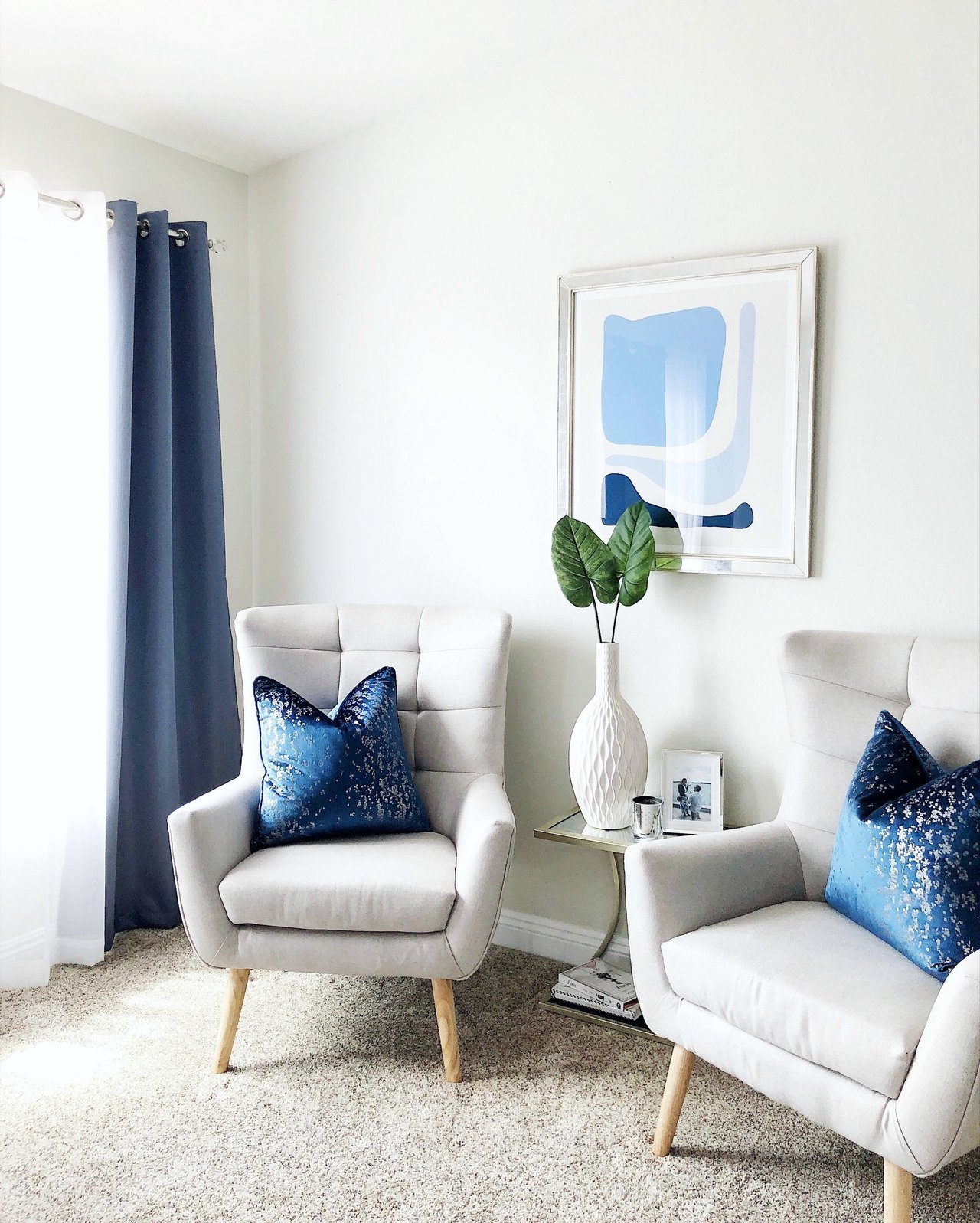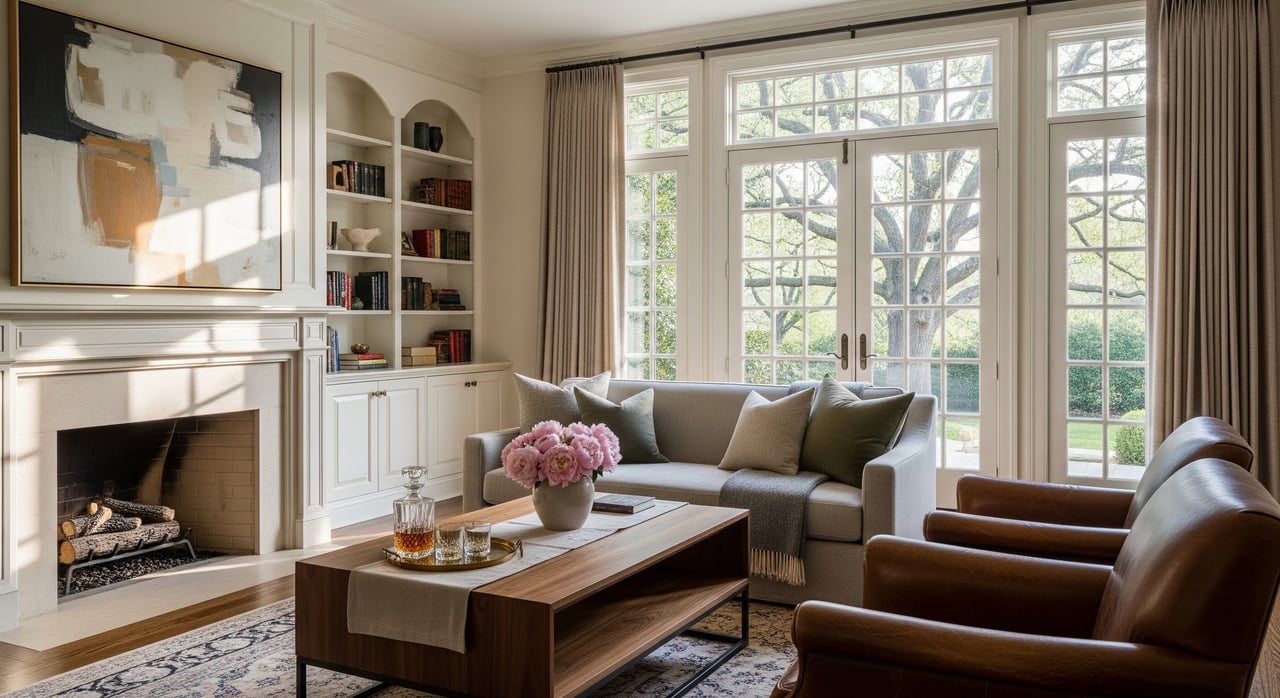
Thinking about listing your Ladue estate? In the luxury market, presentation is not a nice-to-have—it is your competitive edge. You want buyers to feel the privacy, scale, and lifestyle your property offers the moment they see it online and the second they step inside. In this guide, you’ll learn how to stage strategically for Ladue’s high-end buyers, room by room, with clear steps, costs, and timelines so you can move forward with confidence. Let’s dive in.
Understand Ladue luxury buyers
Ladue attracts buyers who value privacy, mature landscaping, and architecturally significant homes on generous lots. They look for seamless entertaining spaces, high-performance kitchens, and a primary suite that feels like a retreat. They also pay close attention to visible maintenance and the overall polish of finishes throughout the home.
Emotions matter. In this segment, buyers purchase both the house and the lifestyle it represents. Your staging should frame the home as aspirational yet comfortable, allowing them to picture life unfolding across formal rooms, casual gathering spaces, and outdoor areas.
Staging goals for estate properties
Your objectives are simple and powerful:
- Showcase architecture, scale, and premium finishes.
- Reinforce a lifestyle narrative around entertaining, privacy, and comfort.
- Minimize distractions, clutter, and anything that suggests deferred maintenance.
Use a cohesive, neutral palette to let moldings, stone, millwork, and window proportions stand out. Choose furniture and rugs that fit the room’s true scale. In larger rooms, create multiple seating areas so buyers can see how the space lives day to day.
First impressions that sell
The first 10 seconds set the tone. Focus on curb appeal, lighting, and a welcoming entry sequence. A cleaned and updated entry fixture, a streamlined console, and a gallery-style art moment can elevate the feeling of arrival. Keep sightlines open to draw the eye toward garden views, a fireplace, or a statement staircase.
For online first impressions, aim for high-impact photography. Staging should be designed to read beautifully on camera with clean lines, balanced color, and clear focal points.
Room-by-room strategies
Entry and foyer
- Anchor the space with a quality runner or rug that fits.
- Use a minimalist console with a curated tray, a pair of lamps, and one to two art pieces.
- Ensure fixtures are clean or updated and bulbs match color temperature for warmth.
Formal living and dining
- In living spaces, arrange seating to highlight focal points like a fireplace or garden view.
- For larger rooms, create two zones—a conversation lounge and a media or piano area—to show scale.
- In the dining room, set a simple, elegant table with linen and understated place settings to suggest entertaining without clutter.
Kitchen and breakfast area
- Declutter all surfaces. Leave only a few premium items, like a coffee setup or a bowl of fresh produce.
- Style barstools at the island and a small breakfast vignette to show daily life.
- Organize pantry shelves and drawers. If you have high-end appliances, prepare a one-page spec sheet for buyers during showings.
Primary suite and bath
- Use hotel-quality bedding and layered pillows in neutral tones.
- Keep nightstands minimal with coordinated lamps and one book or small floral.
- In the bath, display plush towels, neutral bathmats, and a tray with spa accents. Clear counters to reinforce a serene feel.
Home office and library
- Position a substantial desk to capture natural light without blocking views.
- Style shelves sparingly with books and a few sculptural accessories.
- Ensure visible outlets and cable management points support modern work needs.
Secondary suites and guest rooms
- Keep bedding neutral and crisp.
- Remove excess furniture. A bed, two nightstands, and a dresser often suffice.
- Add a single art piece sized to the wall and neutral drapery where appropriate.
Lower level and flex spaces
- Define zones clearly: media lounge, gym area, game table, or wine room.
- Use rugs to anchor each zone and lighting to add warmth.
- If there is a guest suite, style it as move-in ready.
Outdoor living and pool
- Stage patios and terraces with quality outdoor seating, dining furniture, and planters.
- Power-wash hardscapes, refresh mulch, and trim hedges for a tailored look.
- Keep pools and spas clean or properly winterized, and note service status for buyers.
Elevate finishes and lighting
Lighting shapes how buyers experience your home. Use layered lighting—ambient, task, and accent—in warm temperatures around 2700 to 3000K. Replace missing or mismatched bulbs and consider adding dimmers to major entertaining spaces.
Textiles do heavy lifting. Invest in authentic materials—linen, wool, cotton—for bedding, pillows, and throws. Avoid overly trendy palettes. Mirrors can boost light and highlight garden views when placed thoughtfully.
Vacant estates and virtual staging
Vacant luxury homes often feel smaller and less memorable online. For in-person tours, physical staging is the gold standard because it communicates true scale and quality. Virtual staging can supplement photography when needed, but it must be clearly disclosed and should accurately reflect the room’s proportions and potential.
Logistics, costs, and timeline
A clear process removes friction and protects your timeline.
- Assessment and scope: A professional walkthrough identifies quick repairs, cosmetic updates, and a staging plan that fits your goals.
- Installation: Full-scale staging can take 1 to 2 weeks depending on the size of the home and inventory availability. Vacant estates may require additional lead time.
- Rental terms: Staging is typically billed monthly and includes delivery, installation, and pickup. Contracts should define insurance, care of inventory, and damage provisions.
Costs vary by size, number of rooms, level of furnishing, and rental duration. Partial staging for targeted high-impact areas may run several thousand dollars, while full estate installations can reach into the tens of thousands. The key is to evaluate cost against expected benefits: stronger first impressions, faster market time, and better offer quality.
Marketing that matches the staging
Professional photography is essential. Use high-resolution images with accurate color that spotlight architecture and finish quality. For estates, drone images help communicate lot size and privacy, while twilight photography highlights exterior lighting and landscape design.
Add a measured floor plan and a 3D walkthrough to show flow and scale, especially for out-of-town buyers. Short lifestyle videos—think a set dining table or a lit fireplace—can increase engagement.
If any images are virtually staged, disclose them and ensure the home shows to expectations in person.
Seasonal tips for Ladue
- Spring and summer: Emphasize outdoor living. Clean decks and patios, service pools, and refresh landscaping with seasonal plantings and mulch.
- Fall and winter: Lean into warmth. Use layered lighting, textured throws, and fireplace vignettes. Keep walkways cleared and demonstrate well-maintained heating systems.
- Year-round: Maintain exterior lighting and present clear documentation for pool status, recent servicing, and system records.
What buyers ask and how to prepare
High-end buyers often request clarity on condition and inclusions. Prepare a feature binder that includes:
- A list of finishes and recent upgrades with dates and contractor info.
- Appliance specifications, manuals, and warranties.
- Service records for roof, HVAC, pool, and security systems.
- A clear note on what, if any, furnishings or fixtures are included in the sale.
How to measure staging success
Track leading indicators and outcomes so you can adjust quickly.
- Leading indicators: Higher online views, deeper photo engagement, more showing requests in the first week.
- Outcomes: Reduced days on market, increased offer strength, and positive buyer feedback about presentation and condition.
- Benchmark: Compare your performance to recent Ladue luxury comps to validate pricing and positioning.
Next steps for Ladue sellers
Use this checklist to move from planning to launch:
- Schedule a pre-listing walkthrough with a stager and contractor to prioritize repairs and updates.
- Obtain quotes for partial and full staging, including monthly rental terms.
- Coordinate installation timing with your photography date, including drone and twilight.
- Prepare your feature binder with specs, service records, and warranties for showings.
- Set showing protocols that protect privacy and staged inventory.
When you combine curated staging with precise execution, you help buyers feel the lifestyle your Ladue home delivers. That feeling is what drives compelling offers.
Ready to maximize your Ladue sale with integrated staging and renovation guidance? Partner with Katie McLaughlin & Liz McDonald to present your estate at its best. Work with Liz — Request your free home valuation.
FAQs
What rooms should Ladue luxury sellers stage first?
- Prioritize the entry, formal living, dining, kitchen, and the primary suite because these spaces create the strongest first impressions online and in person.
How much does luxury staging cost in St. Louis?
- Expect several thousand dollars for targeted, partial staging and up to the tens of thousands for full estate installations, with exact pricing based on size, scope, and rental duration.
Is virtual staging enough for a Ladue estate listing?
- Virtual staging can enhance photos, but physical staging is preferred for tours because it conveys true scale, quality, and lifestyle; any virtual images should be clearly disclosed.
How long does a full staging install take for large homes?
- Many estate-scale installations take 1 to 2 weeks once the plan is approved, with additional time possible for inventory scheduling and logistics.
What should I do with personal items before showings?
- Remove personal photos and collections, store valuables securely, and keep only curated, neutral accessories so buyers focus on architecture and finishes.