Why does one Chesterfield estate spark multiple offers while another sits? In a luxury market like Chesterfield, small details create big differences in buyer perception and price. If you want to buy or sell with confidence, you need to know which features move value and which ones simply add cost. This guide breaks down the local levers that command premiums and how to position your property to win. Let’s dive in.
Chesterfield market context
Chesterfield stretches along the Missouri River with distinct settings, from low-lying Chesterfield Valley to higher bluffs and rolling neighborhoods. That geography shapes flood risk, views, and privacy, which all affect pricing at the luxury level. School district boundaries and municipal services span several suburban districts, and attendance zones often influence how buyers shortlist homes. Seasonality follows a Midwestern rhythm, with peak demand in spring and early summer, then slower activity through late fall and winter.
For both buyers and sellers, this means timing, micro-location, and property features should guide strategy. Listings prepped to shine in spring often see faster absorption and stronger pricing. Well-documented homes also reduce friction when the market cools later in the year.
Micro-location value
Elevation and views
Elevation is a durable premium in Chesterfield. Homes oriented toward river or valley vistas, or long treed sightlines, tend to sell faster and higher than similar properties without them. Lots on the ridge crest or the quieter side of a slope usually feel more private, which strengthens perceived value.
Buyers also evaluate how a home sits on its street. A cul-de-sac or a quiet block of similarly scaled homes reduces uncertainty about future comparables and protects long-term value.
Access and amenities
Proximity to employers, corporate campuses, and high-end retail can be a major convenience premium. Easy access to parks, trails, recreation, country clubs, and cultural venues shapes day-to-day living. Homes near well-loved amenities like Faust Park often feel more connected and usable, which can lift buyer interest.
Convenience matters, but so does peace and quiet. A well-located property that is also insulated from traffic and commercial noise typically outperforms.
Neighborhood fit and feel
Luxury buyers measure how a home fits the immediate cluster of properties. Streets with consistent architecture, lot size, and quality signal stability. Orientation toward sun and prevailing breezes also affects how rooms live and how outdoor spaces feel through the year.
If you are weighing two similar homes, the one with better solar exposure for main living areas and a more private backyard often wins.
Nearby factors to vet
Micro-location can hurt value when a property backs to busy corridors, bright commercial lighting, or future development that could change privacy or views. Lowland parcels with floodplain exposure add insurance and financing hurdles that many buyers price in.
Before you write an offer or set a list price, confirm flood maps, current zoning, and planned infrastructure. A clear picture of what is around you, and what could change, protects your investment.
Lot characteristics buyers pay for
Size and usable acreage
In Chesterfield’s luxury segment, buyers look beyond raw lot size. The usable, buildable footprint after setbacks, slopes, easements, and detention areas is what drives lifestyle. Flat acres that cannot host a pool or an expanded patio will not live like their size suggests.
If you are purchasing land or a home with expansion plans, study site plans, slopes, and drainage early. Usability is a key premium.
Privacy, trees, and approach
Mature trees and layered landscaping deliver instant privacy that you cannot fast-track with new plantings. A long, well-designed approach or driveway also creates an estate feel that buyers value. Sloped lots that support a walk-out lower level combine privacy with functional living space and typically command a premium.
A flat front yard and a screened backyard can be ideal for families and entertaining. Balance curb appeal with privacy for the best first impression.
Orientation, drainage, and exposure
South or west exposures for decks and main living spaces extend outdoor enjoyment. Proper grading, gutters, and French drains keep water away from the foundation, which prevents inspection issues. In low-lying areas, elevation above base flood levels and documented mitigation can preserve value and insurability.
A home that lives dry and bright feels higher quality even before a buyer sees the mechanical room.
Utilities and legal items
Access to municipal water and sewer simplifies ownership compared with private systems. Buried utilities and sufficient service capacity matter for renovations or additions. Conservation easements, HOA restrictions, and building envelopes can protect buffers, though they may also limit future changes.
Buyers should confirm easements and shared drive agreements. Clarity prevents surprises and supports pricing confidence.
Quick lot checklist
- Lot area and buildable footprint
- Average slope and walk-out potential
- Setbacks, utility and access easements
- FEMA flood zone and elevation documents
- Sewer and water type, utility capacity
- Tree density, privacy buffers, and sightlines
- Proximity to noise and lighting sources
Interior features that set price
Kitchens that anchor life
The kitchen is the top interior lever for luxury pricing. Buyers expect a generous island, custom cabinetry, stone counters, and high-end appliances like a six-burner range, built-in refrigeration, and double ovens. An open plan that integrates the kitchen with breakfast and family rooms, plus a clean connection outdoors, increases usable living space.
Even a targeted refresh can change market perception. New hardware, lighting, and counters can be enough to recast the room when the layout already works.
Primary suite essentials
Luxury buyers look for a spacious primary suite with a sitting area, abundant closets, and a spa-quality bath. Dual vanities, a large shower, and a freestanding tub are common expectations at this price point. Well-finished secondary baths and en-suite options help families and frequent hosts.
If you are prioritizing updates, start with the primary bath and closets. These areas telegraph comfort and quality.
Finished lower levels that live well
Walk-out lower levels with real light, tall ceilings, and quality finishes add functional square footage that buyers value. Home theaters, bars, fitness spaces, and guest suites turn the basement into a destination. Good stair placement and flow make these areas feel like a natural extension of the main floor.
A bright, well-detailed lower level can be the tiebreaker that wins an offer.
Systems, finishes, and technology
Updated HVAC, electrical, plumbing, windows, and insulation reduce buyer risk and inspection leverage. Hardwood floors, tall ceilings, large windows, and detailed trim elevate everyday living. Smart home features, security systems, and energy-efficient equipment matter to tech-savvy buyers and can support stronger pricing.
A property that looks beautiful and reads as low maintenance will outperform on both showings and appraisals.
Outdoor living and resilience
Covered spaces and connection
In a Midwestern climate, covered porches, screened rooms, and outdoor kitchens extend your usable months. Seamless access from the kitchen or family room is key. Ceiling fans, heaters, and lighting increase comfort and flexibility.
The goal is an outdoor room that invites daily use, not just a special-occasion patio.
Pools, hardscape, and privacy
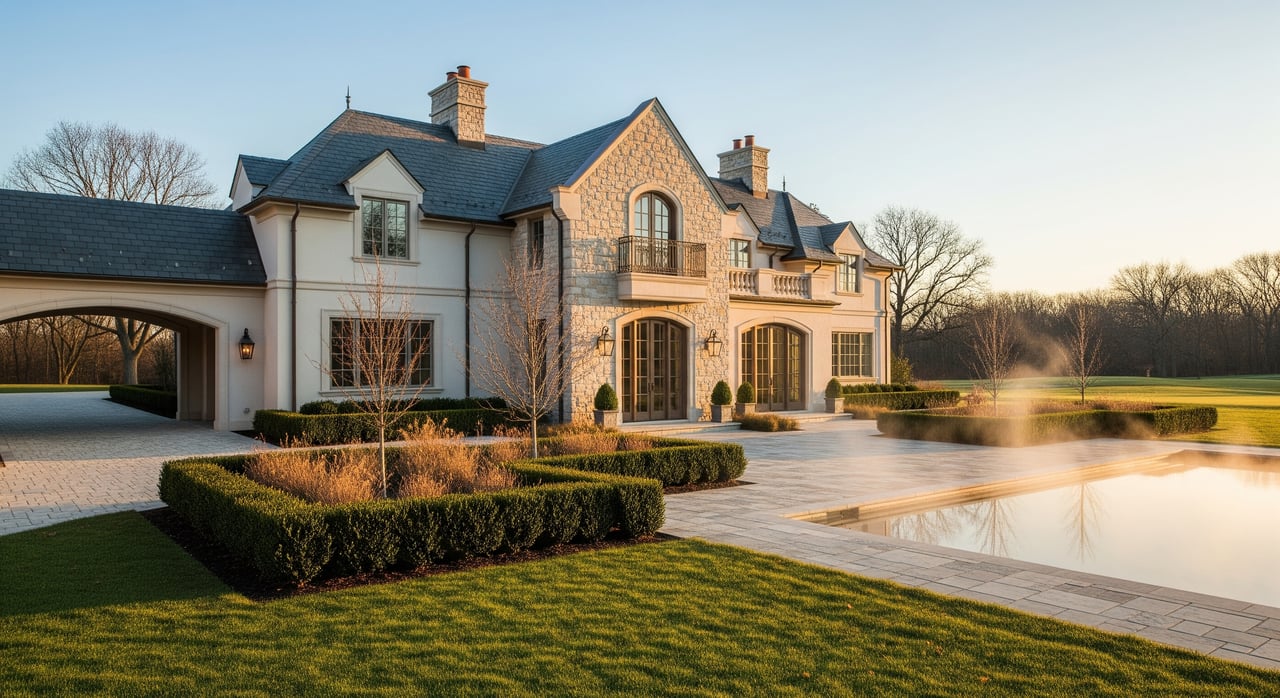
Pools and hot tubs are luxury amenities, but buyers price them relative to quality, safety features, and privacy. Professionally designed stone patios, fire features, and landscape lighting add year-round ambiance. Dense planting or fencing that screens neighboring views often matters more than the presence of a pool alone.
A beautifully integrated yard feels like a private resort, which shows well in photos and in person.
Stormwise systems that reassure
Basements, safe rooms, sump pumps with backups, and whole-home generators are reassuring in storm season. Proper grading and downspout extensions prevent water issues that derail sales. Sellers who can document these systems head off inspection concerns and support premium pricing.
When buyers feel secure, they focus on lifestyle instead of risk.
Low-maintenance exteriors
High-quality roofing, durable siding or stone, and well-maintained decks and drives reduce perceived deferred maintenance. Irrigation and professional landscaping keep curb appeal sharp with less effort. These details are visible in photos and at the curb, which sets the tone before buyers ever step inside.
Well-kept exteriors often translate into stronger first offers.
Presentation and pricing that unlock premiums
Staging and standout visuals
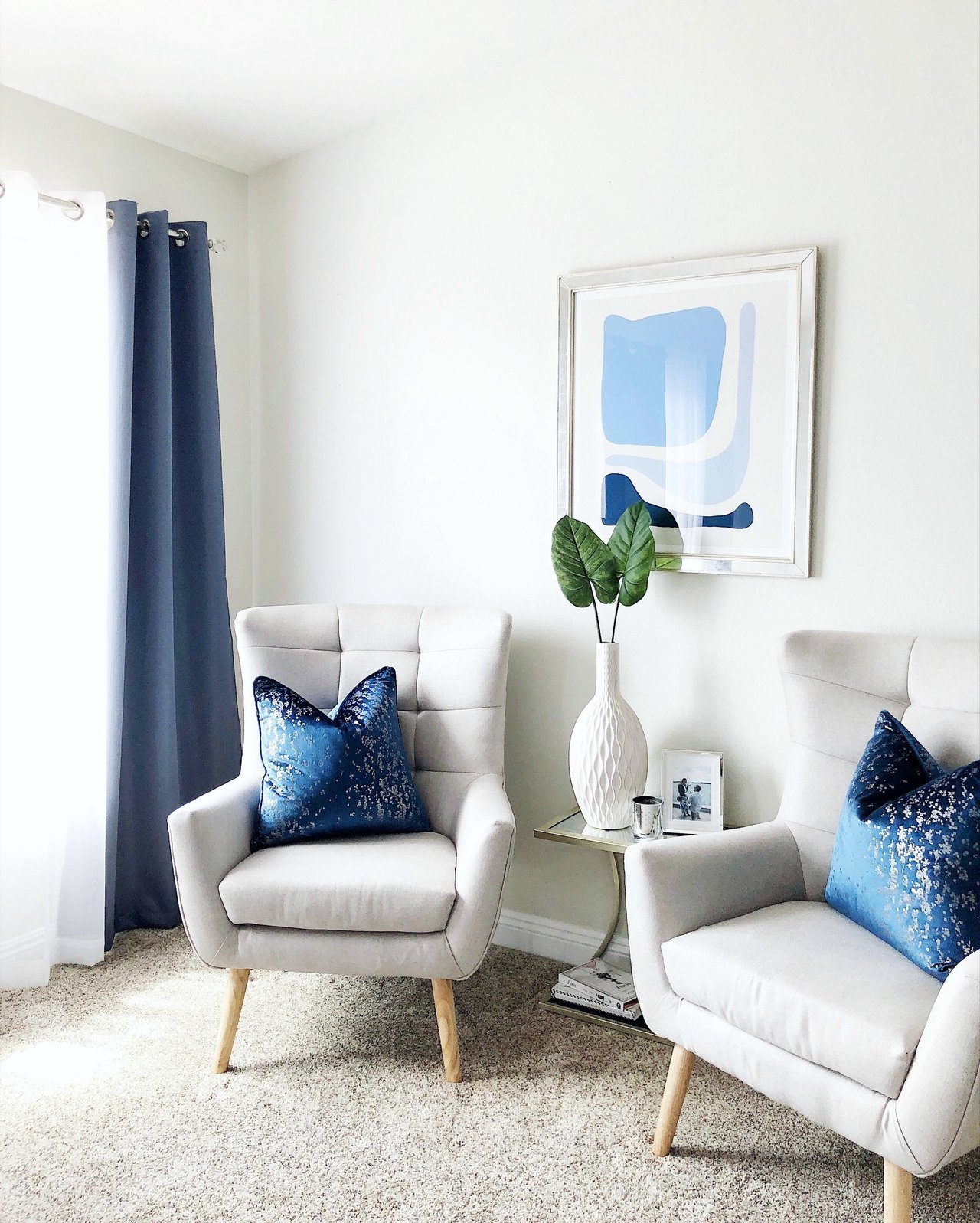
Professional staging elevates scale, flow, and function, which increases buyer engagement and final price. High-quality photography, video, and virtual tours are essential at the luxury level. Drone imagery showcases lot size, privacy, and views that might be hard to capture from the ground.
Lifestyle sells. The right presentation helps buyers picture how they will live in the home.
Pre-list work buyers notice
A pre-listing inspection with key repairs completed reduces buyer leverage. Clear maintenance records for HVAC, roof, and major systems build trust. If the property sits in or near a flood zone, have elevation certificates and any mitigation investments ready to share.
Clean documentation makes it easy for buyers to say yes.
Pricing by micro-comp
In the luxury segment, micro-market comps matter more than citywide averages. Adjustments for elevation, views, lot privacy, and amenities should be handled with precision. Overpricing can lead to stagnation, while a well-priced, well-marketed listing can capture multiple strong offers.
Stay nimble and watch nearby closings within a quarter to half mile. Timely adjustments can reset momentum if needed.
Broker reach and end-to-end execution
Experienced representation with deep Chesterfield knowledge and targeted buyer networks makes a measurable difference. Integrated services like in-house staging, renovation guidance, and hands-on construction management streamline prep and keep your timeline tight. Coordinated inspection strategy and negotiation support help you retain leverage through closing.
When presentation, pricing, and process are handled by one team, your net proceeds often improve.
Your next steps
- Clarify your goals, timing, and budget for updates.
- Audit micro-location strengths and any risk factors that could affect financing or insurance.
- Prioritize high-impact improvements, especially kitchen and primary suite refreshes.
- Elevate presentation with staging and strategic photography, including drone where appropriate.
- Price against hyper-local comps and adjust with new nearby closings.
If you want a design-forward, end-to-end plan to maximize your result, partner with a team that manages staging, targeted renovations, and construction details under one roof. Reach out to Katie McLaughlin & Liz McDonald to start with a free, data-informed valuation and a clear roadmap.
FAQs
How does elevation and view affect luxury pricing in Chesterfield?
- Elevated, private lots with long sightlines or valley views are scarce and typically command measurable premiums compared with similar homes without those features.
Do pools and outdoor kitchens pay back at resale in Chesterfield?
- Quality, integration, and privacy matter more than the amenity alone, and when the installation fits the neighborhood, it can support a higher price even if full cost is not always recouped.
Which interior updates move the needle most for luxury buyers?
- Kitchens and primary suites deliver the biggest perception shift, with finished, well-lit lower levels and updated mechanicals further reducing buyer risk.
How do floodplain designations impact value and financing?
- Floodplain status increases insurance and financing friction, so documented elevation, mitigation measures, and clear drainage can help maintain marketability and price.
When is the best time to list a luxury home in Chesterfield?
- Activity typically peaks in spring and early summer, so listings that are prepped and launched then often see faster sales and stronger pricing.
How do school attendance boundaries influence demand in Chesterfield?
- Many buyers factor district and school assignment into their search criteria, so confirming boundaries for a specific property helps align pricing and marketing with the likely buyer pool.